
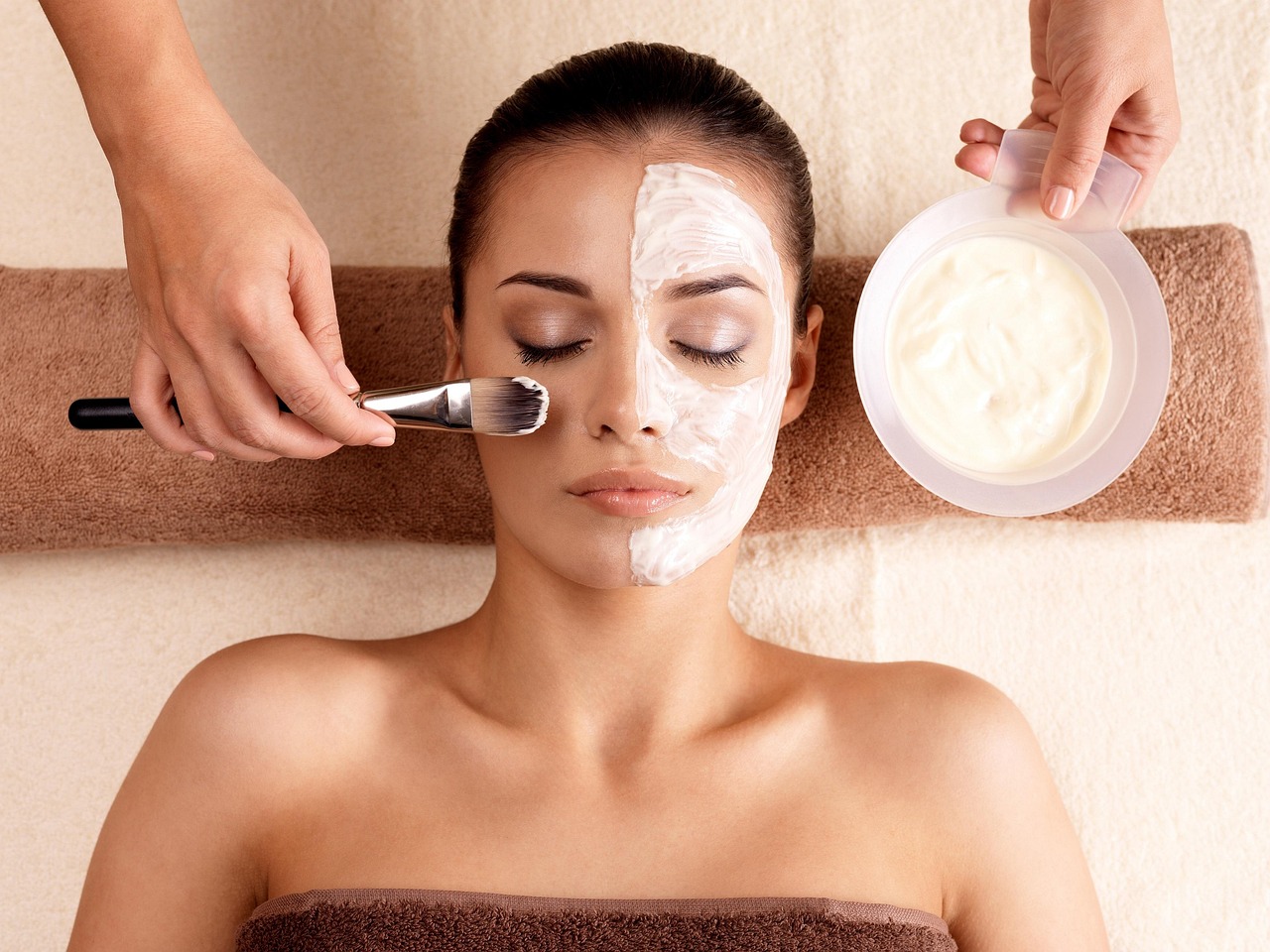
The skincare industry evolves rapidly, with new formulations and ingredient breakthroughs emerging constantly. Yet amidst the overwhelming array of products flooding the market, certain key ingredients consistently prove their worth through scientific research and real-world results. Understanding these powerhouse components empowers you to make informed decisions about your skincare investments and craft routines that genuinely transform your skin.
The Science Behind Effective Skincare
Successful skincare transcends marketing hype and focuses on ingredients with proven mechanisms of action. Whether addressing signs of aging, hyperpigmentation, acne, or dehydration, the most effective products contain active ingredients at appropriate concentrations that can penetrate the skin barrier and influence cellular processes.
The key lies not simply in using trendy ingredients, but in understanding how they work, which skin concerns they address, and how to incorporate them properly into your routine. Building knowledge about ingredient science helps you navigate product claims and identify formulations that deliver tangible results.
Core Ingredients Every Routine Should Consider
Retinoids: The Gold Standard for Anti-Aging
Retinoids remain the most extensively researched anti-aging ingredients available. These vitamin A derivatives accelerate cell turnover, stimulate collagen production, and improve skin texture while addressing fine lines, wrinkles, and hyperpigmentation. Available in various strengths from over-the-counter retinol to prescription tretinoin, retinoids suit most skin types when introduced gradually.
Begin with lower concentrations two to three times weekly, slowly increasing frequency as your skin builds tolerance. Always apply retinoids to dry skin in the evening and follow with a moisturizer to minimize potential irritation.
Vitamin C: Brightening and Protection
This potent antioxidant offers multiple benefits: neutralizing free radicals, brightening complexion, fading dark spots, and supporting collagen synthesis. L-ascorbic acid represents the most effective form, though it requires careful formulation to remain stable. Look for concentrations between 10-20% in products packaged in opaque, airtight containers.
Apply vitamin C serum in the morning before sunscreen to maximize its photoprotective benefits. When combined with vitamin E and ferulic acid, vitamin C’s effectiveness increases substantially.
Hyaluronic Acid: Deep Hydration
Despite its intimidating name, hyaluronic acid is a naturally occurring molecule that attracts and retains moisture—holding up to 1,000 times its weight in water. This humectant plumps skin, smooths fine lines, and creates an optimal environment for skin repair.
Apply hyaluronic acid to damp skin, then seal in moisture with an occlusive moisturizer. Multiple molecular weights ensure hydration penetrates various skin layers while maintaining surface moisture.
Emerging Ingredients Worth Exploring
The skincare landscape continuously expands as researchers identify promising new ingredients and refine extraction methods for traditional botanicals. Staying informed about trending innovations in skincare helps you discover breakthrough formulations that might address your specific concerns more effectively than conventional options.
Niacinamide: The Multi-Tasker
This form of vitamin B3 addresses numerous skin concerns simultaneously: minimizing pores, regulating oil production, reducing inflammation, fading hyperpigmentation, and strengthening the skin barrier. Its excellent tolerability makes niacinamide suitable for sensitive skin types that struggle with more aggressive actives.
Concentrations between 5-10% deliver optimal results without irritation. Niacinamide works well alongside most other ingredients, making it easy to incorporate into existing routines.
Peptides: Cellular Communication
These amino acid chains signal skin cells to perform specific functions, particularly collagen production. Various peptide types target different concerns: some minimize wrinkle depth, others improve firmness, and certain formulations reduce inflammation. While research continues, peptides show promise as gentler alternatives to retinoids for those with sensitive skin.
Building Your Personalized Routine
Assessing Your Skin’s Needs
Effective skincare begins with honest evaluation of your primary concerns. Rather than addressing everything simultaneously, prioritize two to three main issues. Common concerns include aging signs, acne, hyperpigmentation, dehydration, or sensitivity. Your priorities guide ingredient selection and product layering.
Layering Products Correctly
Application order significantly impacts ingredient absorption. Follow this general sequence: cleanse, tone, apply water-based serums (thinnest to thickest consistency), follow with oil-based treatments, then seal everything with moisturizer. Morning routines always conclude with broad-spectrum SPF 30 or higher.
Patience and Consistency
Skincare results require time. Most active ingredients need 6-12 weeks of consistent use before delivering visible improvements. Resist the temptation to constantly introduce new products—this makes identifying effective ingredients impossible and increases irritation risk.
Frequently Asked Questions
How many active ingredients can I use simultaneously?
Start with one active ingredient, establishing tolerance over 4-6 weeks before introducing another. Most routines accommodate 2-3 actives when properly spaced—for example, vitamin C mornings, retinoid evenings, and niacinamide twice daily. Avoid combining multiple strong actives in one application, as this increases irritation without enhancing results.
Do expensive skincare products work better than affordable options?
Not necessarily. Ingredient quality, concentration, and formulation stability matter more than price. Many affordable brands offer effective concentrations of proven actives, while some luxury products invest heavily in packaging and marketing rather than superior formulations. Focus on ingredient lists and concentrations rather than brand prestige.
Can natural ingredients be as effective as synthetic ones?
Some natural ingredients offer genuine benefits—like plant oils rich in antioxidants or soothing botanicals. However, many highly effective skincare ingredients are synthetic or lab-derived, offering stability, purity, and consistency impossible to achieve with purely natural extracts. The best approach combines both when appropriate for your concerns.
When should I see results from new skincare products?
Hydrating products provide immediate improvements, while active ingredients addressing deeper concerns require patience. Expect 6-8 weeks for consistent brightening, 3 months for meaningful anti-aging results, and 8-12 weeks for acne improvements. Document your skin with regular photos to track subtle changes easily missed in daily observation.
Should my skincare routine change with seasons?
Absolutely. Winter often demands richer moisturizers and gentler exfoliation, while summer might require lighter textures and increased sun protection. Adjust product weights and active ingredient frequency based on how your skin responds to environmental changes, maintaining core ingredients that address your primary concerns year-round.
Conclusion
Navigating the skincare world becomes significantly easier when you understand ingredient science and prioritize evidence-based formulations. Rather than chasing every trending product, focus on incorporating proven actives appropriate for your specific concerns, introduce them gradually, and maintain consistency. Quality skincare represents an investment in your skin’s long-term health—one that pays dividends when guided by knowledge rather than marketing claims. By building routines around effective ingredients and giving them adequate time to work, you create the foundation for genuinely transformative results.
